

After a memorable trip to Riga, we decided to visit Vilnius. A five-hour bus ride on good roads with well-developed infrastructure turned out to be a comfortable journey.
Vilnius is quite different from Riga — it feels more modern. But what surprised us most was the climate. Even though the distance between the cities is not that large, the weather feels very different. Rain in Vilnius is something you remember: it does not last long, but when it starts, it feels like a wall of water. Not knowing this, we got completely soaked on our first day. While those familiar with the local climate calmly waited for the rain to pass, we kept walking somewhere in a hurry. In the end, when everyone else continued their walk, we had to return to our apartment. Still, this did not affect our overall impression of this beautiful city.
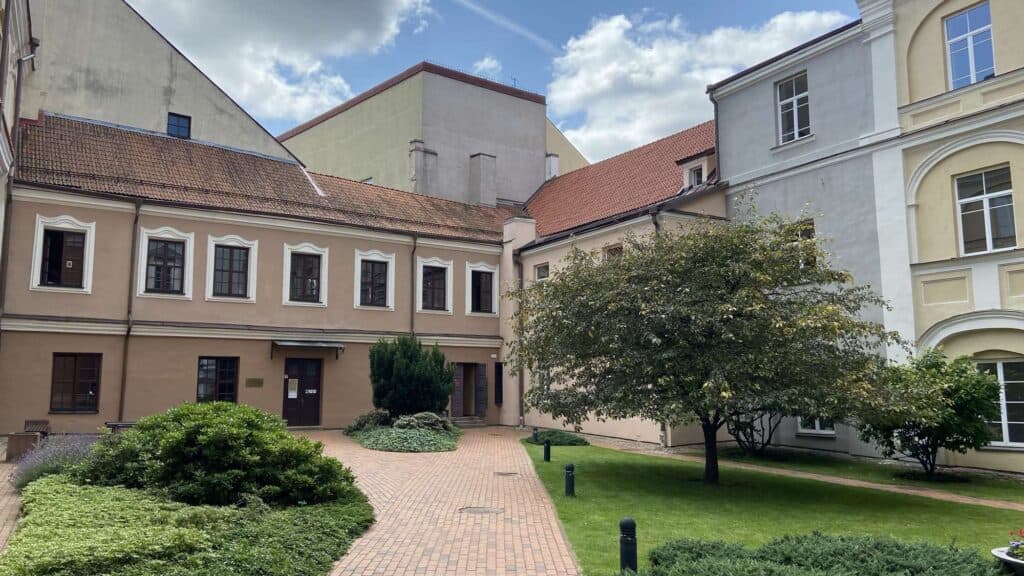
The center of Vilnius
For some reason, we never managed to climb Gediminas Hill, which offers a view over the whole city. Every time we reached the center, it started raining, and we had to find shelter. The view from the hill is said to be beautiful, and even without visiting it, it is clear that climbing it is worth it.
Still, we often reached the base of the hill, where several important landmarks are located:
- Palace of the Grand Dukes (now a national museum)
- Cathedral Square
- Monument to Grand Duke Gediminas
- Vilnius Cathedral and its bell tower
The whole composition feels very balanced, and simply walking there is already enjoyable. You can always hide from the rain either in the cathedral or in the museum — and both are worth visiting in any case.
The museum offers a well-structured exhibition that tells the history of the country. You can see the remains of the old castle and everyday objects from different periods. We especially liked the detailed historical maps.
The cathedral itself is a beautiful and monumental building. Organ concerts are sometimes held there, and we attended one of them. Just walking through such a place already leaves a strong impression.
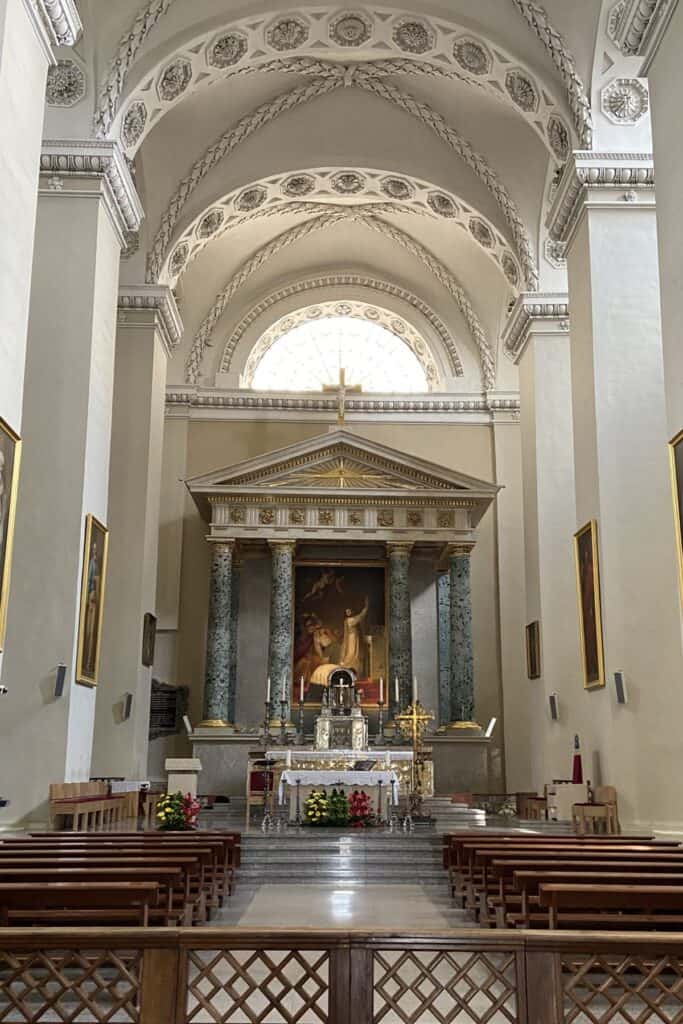
Old Town
It is important to note that Vilnius was heavily damaged during World War II. Because of that, it is difficult to find truly original medieval buildings. The city was rebuilt, and it was done well, but these are still newer structures.
Even so, the historical center looks very good. It is interesting to turn into small courtyards — at first they may seem random, but this is exactly how we discovered the territory of Vilnius University. And for my wife, as a university lecturer, places like this are especially interesting. In summer, during the holidays, she did not meet any colleagues, but the place itself was very beautiful.
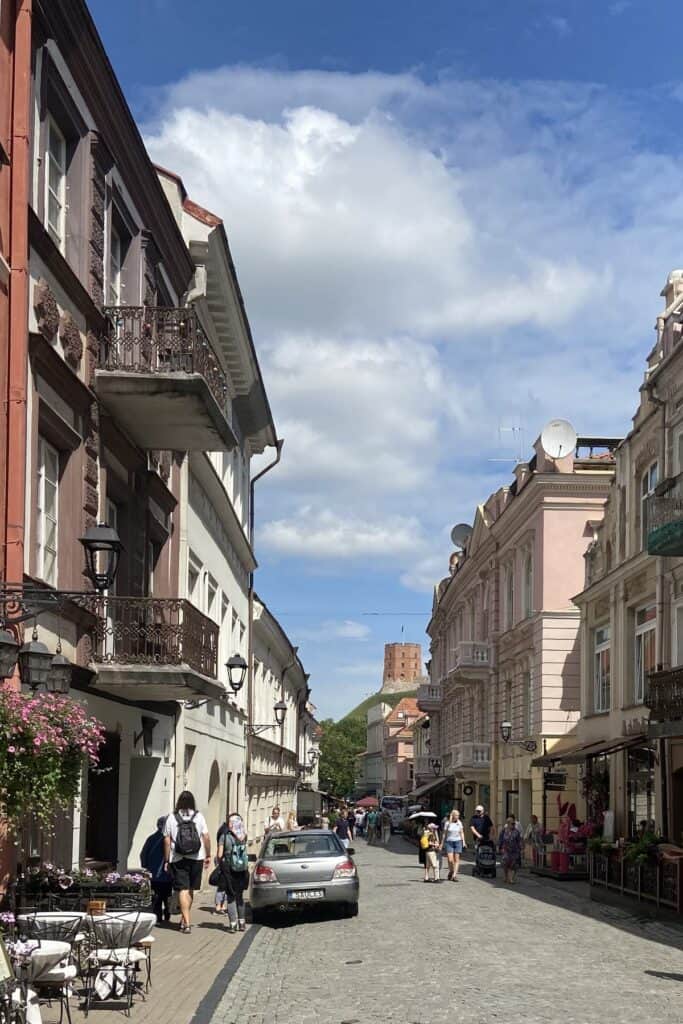
Churches
We approached the historical center from Cathedral Square. Despite the cathedral, the number of churches is not immediately obvious in this part of the city, just as in Vilnius in general. But closer to Town Hall Square, their number increases significantly — it feels like there are almost as many churches as people.
This concentration is mostly found in the central area, but in terms of the number of churches, this place can easily be compared to Naples, which is not very typical for northern countries.
Of course, we entered every open church — and they are all active. In some places there are many visitors, in others you hear an organ, somewhere a choir is singing. This number of churches is not accidental — they are all part of everyday city life.
Vilnius also has a place of pilgrimage — the Church of St. Teresa. Right next to it stands an Orthodox church. Different confessions coexist peacefully here, without conflict. It would be nice to see more of that in the world.
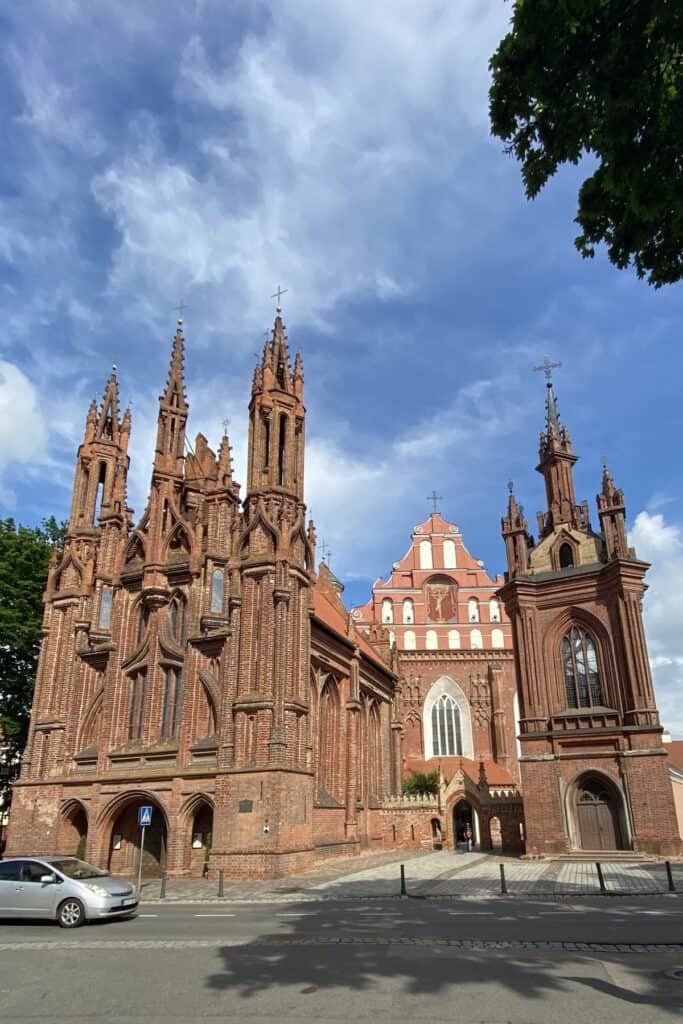
Worth visiting
From Vilnius, we made two great trips, each of which deserves its own article. But Vilnius itself is a very beautiful city and definitely worth visiting, even if you do not have time to travel around Lithuania.